

Henri Leroux
Journal

Where to taste beer in Europe

Five beer journeys, from the first pilsner to a quiet pint.

A practical point of view

A beer trip does not have to mean a festival. It can be a brewery visit followed by lunch, an afternoon in a Belgian café, or a pub you return to because the first pint was good.

The useful distinction is not between famous beer countries and everywhere else, but between the experiences they offer. Czechia is a good place to understand lager. Belgium is a good place to question what you thought beer tasted like. Germany, Britain and Ireland each bring a different setting to the glass.

A festival puts many beers within reach. A brewery visit gives one of them context. A pub shows where it belongs. None is the more serious way to travel; they simply ask for different arrangements. Choose the kind of visit first, and the route becomes easier.
Before you order

A little about the beer

Lager and ale

The two main families. The difference begins with yeast and fermentation, not colour. Lagers ferment cooler, with bottom-fermenting yeast, and are conditioned cold; ales ferment warmer, with top-fermenting yeast. These are brewing terms, not serving temperatures, and a lager can be dark.

Pilsner

A style of lager, not a third family. It takes its name from Plzeň, where this pale, distinctly hopped lager was first brewed in 1842.

IPA, bitter and stout

All three are ales. An IPA, or India Pale Ale, usually puts hops at the front of the flavour; a stout takes much of its character from dark, roasted grain. Neither name, on its own, tells you how strong the beer is.

Lambic and geuze

Belgium’s spontaneously fermented beers, made with wild yeasts and bacteria rather than a single brewing yeast. They can be sour, dry and quite unlike what you expected to order. Geuze is a blend of young and older lambics.

None of this needs to be remembered. It is enough to know why a pilsner, an IPA and a geuze are worth tasting differently.

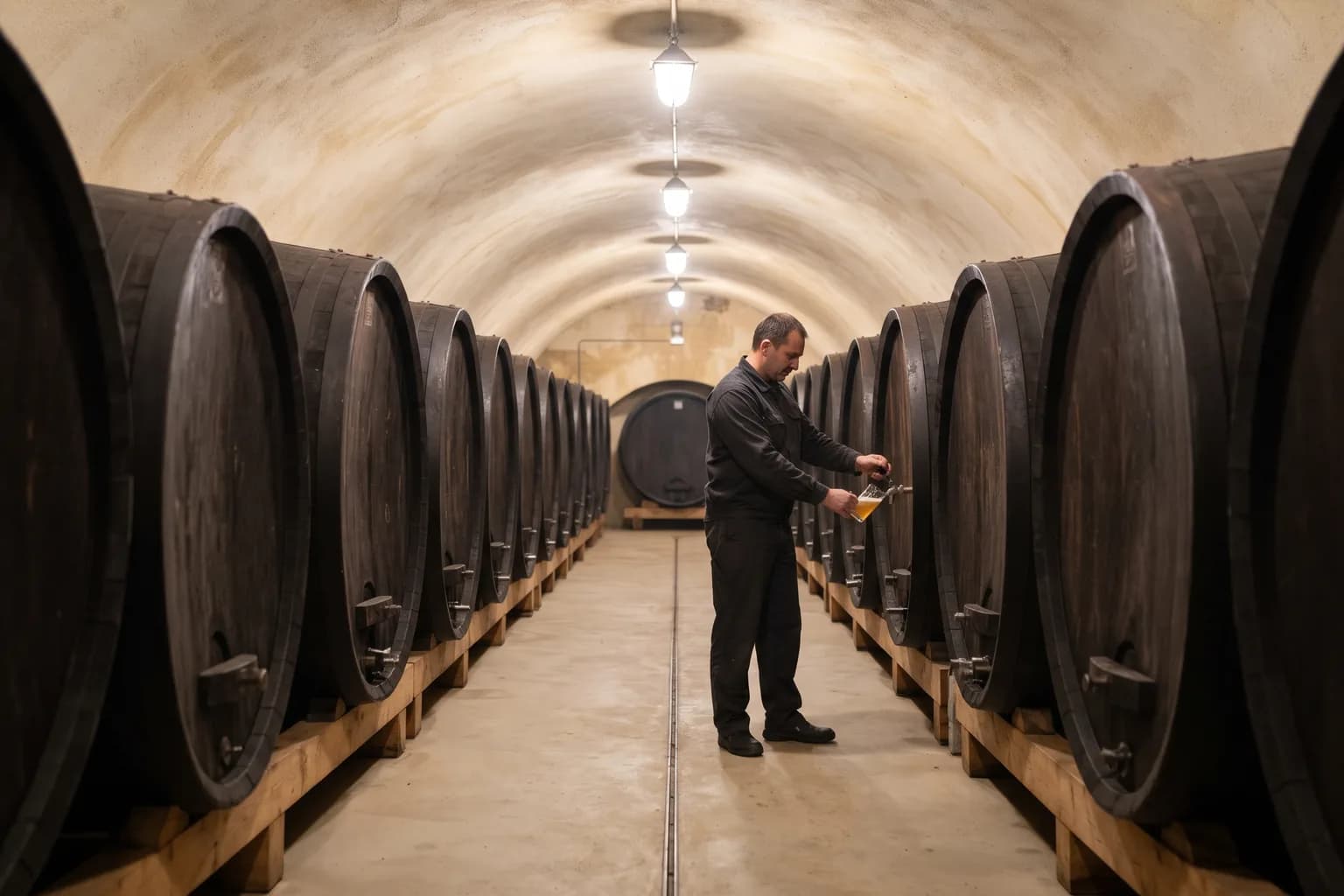
Oak lager barrels in a brewery cellar in Plzeň

01

Plzeň and Prague, Czechia

Start in Plzeň if you want to understand the name on the glass. This is where pilsner was born, and a brewery visit gives the familiar golden beer a more specific history: soft local water, pale malt, Czech hops and a brewing method that travelled far beyond the city.

In Prague, leave room for the pub as well as the brewery. Order a pale lager, then a dark one. Notice the glass, the foam and the way the beer is poured. A better question than “What is your best beer?” is “What would you drink here?”

Pilsner Fest, held in Plzeň each October around the anniversary of the first brew, gives the city a festival reason to visit. A quieter brewery day is an equally good one.

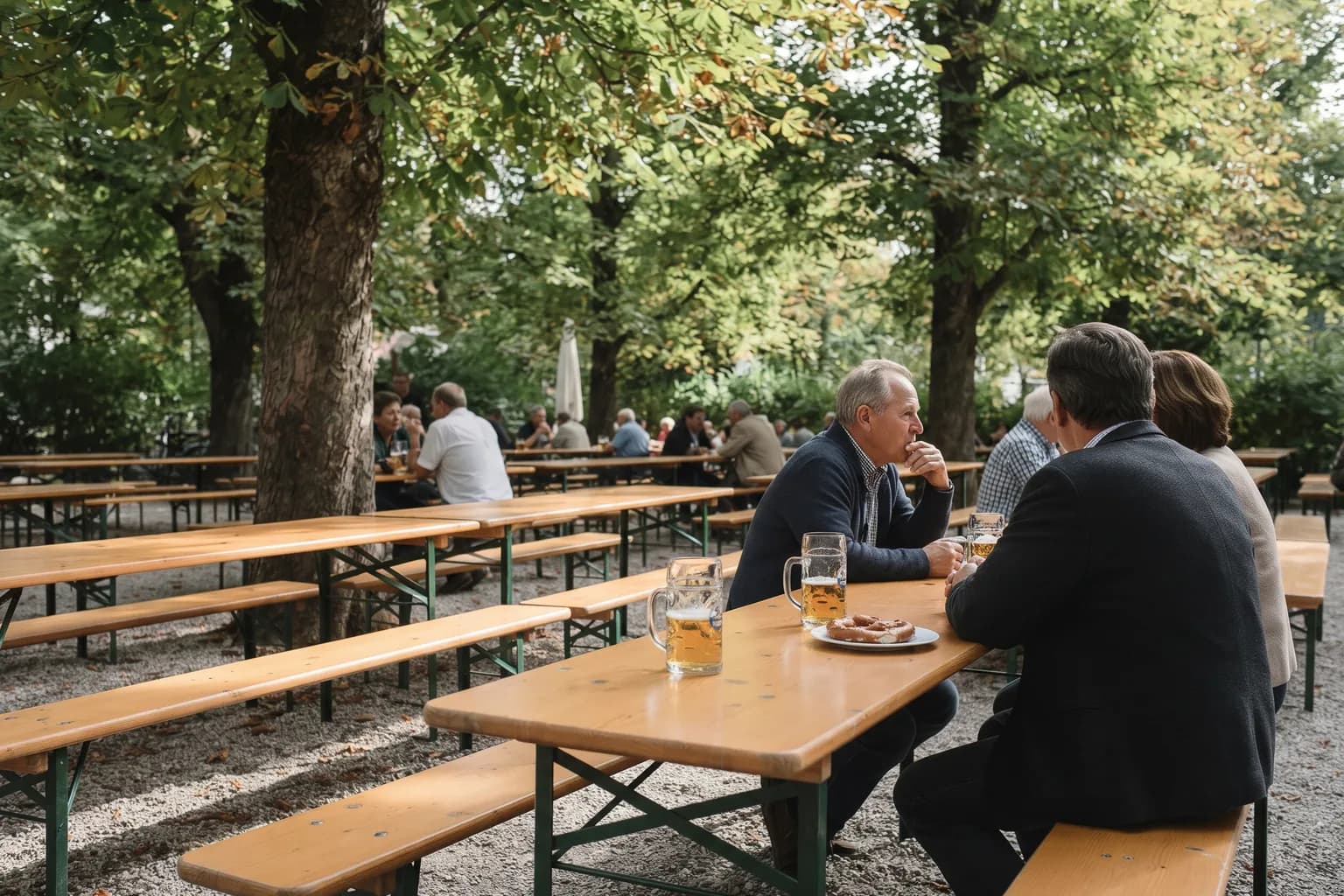
A Bavarian beer garden under chestnut trees

02

Munich and Bavaria, Germany

Munich is the obvious place to begin, but Oktoberfest is only one version of the trip.

For a first tasting, compare a pale Helles with a wheat beer. Then let the setting change: a beer hall for the communal table, a beer garden when the weather allows, a smaller inn for an evening built around dinner rather than a programme. Bavaria rewards the visitor who leaves a little time between appointments.

Oktoberfest is a different proposition: large tents, fixed plans and a whole city receiving visitors for the same reason. It begins in September, despite its name, and the beer comes from six Munich breweries, so it is not a showcase of German craft brewing.

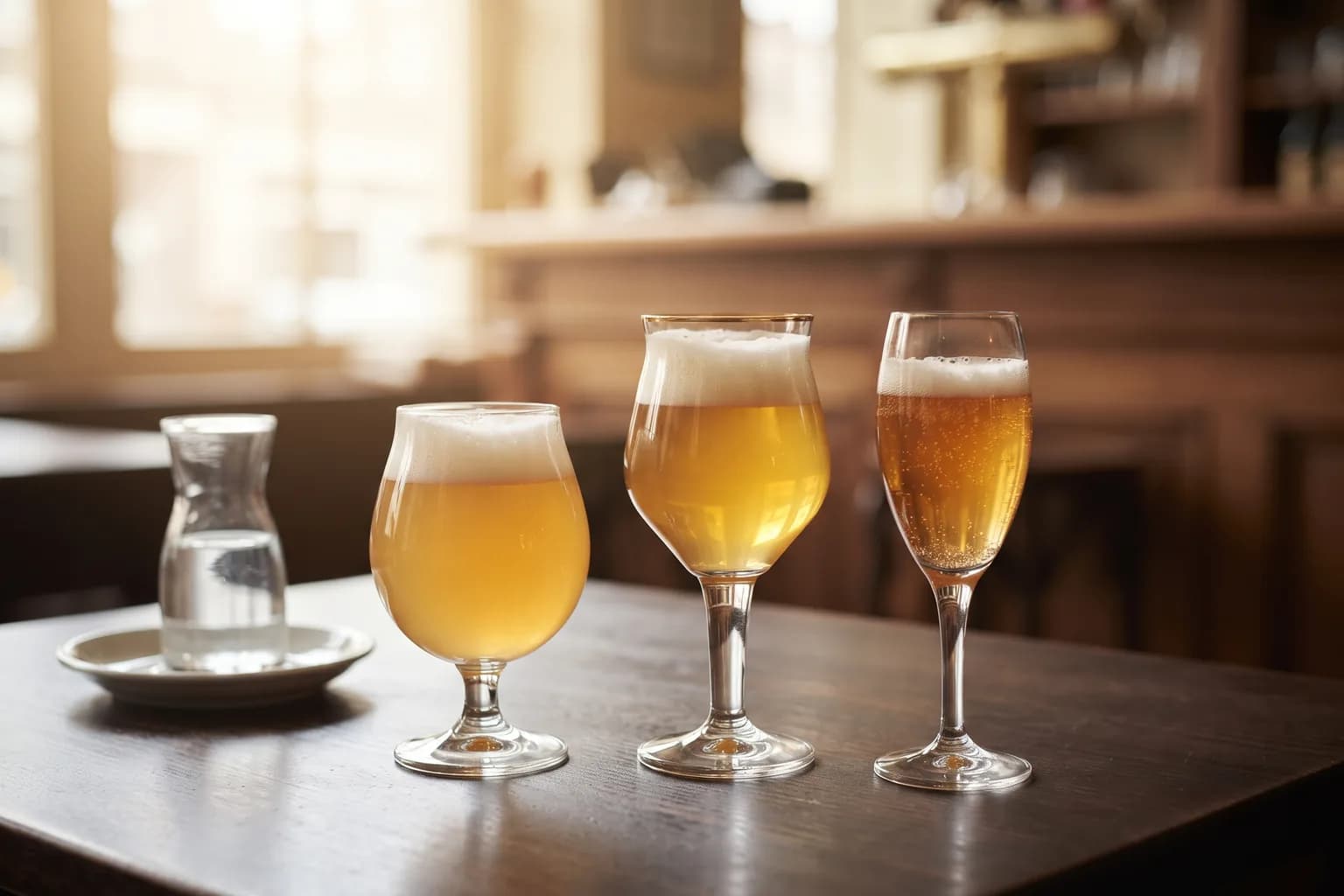
Three Belgian beers in their own glasses in a beer café

03

Brussels and the lambic country, Belgium

Belgium is the place to stop looking for a single national taste.

A wheat beer, a strong tripel and a dry geuze can feel like three different drinks. The glass is part of the experience, and a short guided tasting can be more useful than working through a long menu without context.

Brussels is a convenient base. Just beyond it, the Pajottenland and the Senne Valley are the home of lambic and geuze. Producers such as Boon and 3 Fonteinen offer a more focused visit than a general introduction to Belgian beer; check their own visiting arrangements before you travel.

For a festival, look at the Belgian Beer Weekend on the Grand-Place in early September. For a more specialised journey, watch for Toer de Geuze, when lambic brewers and blenders open their doors. It does not take place every year.

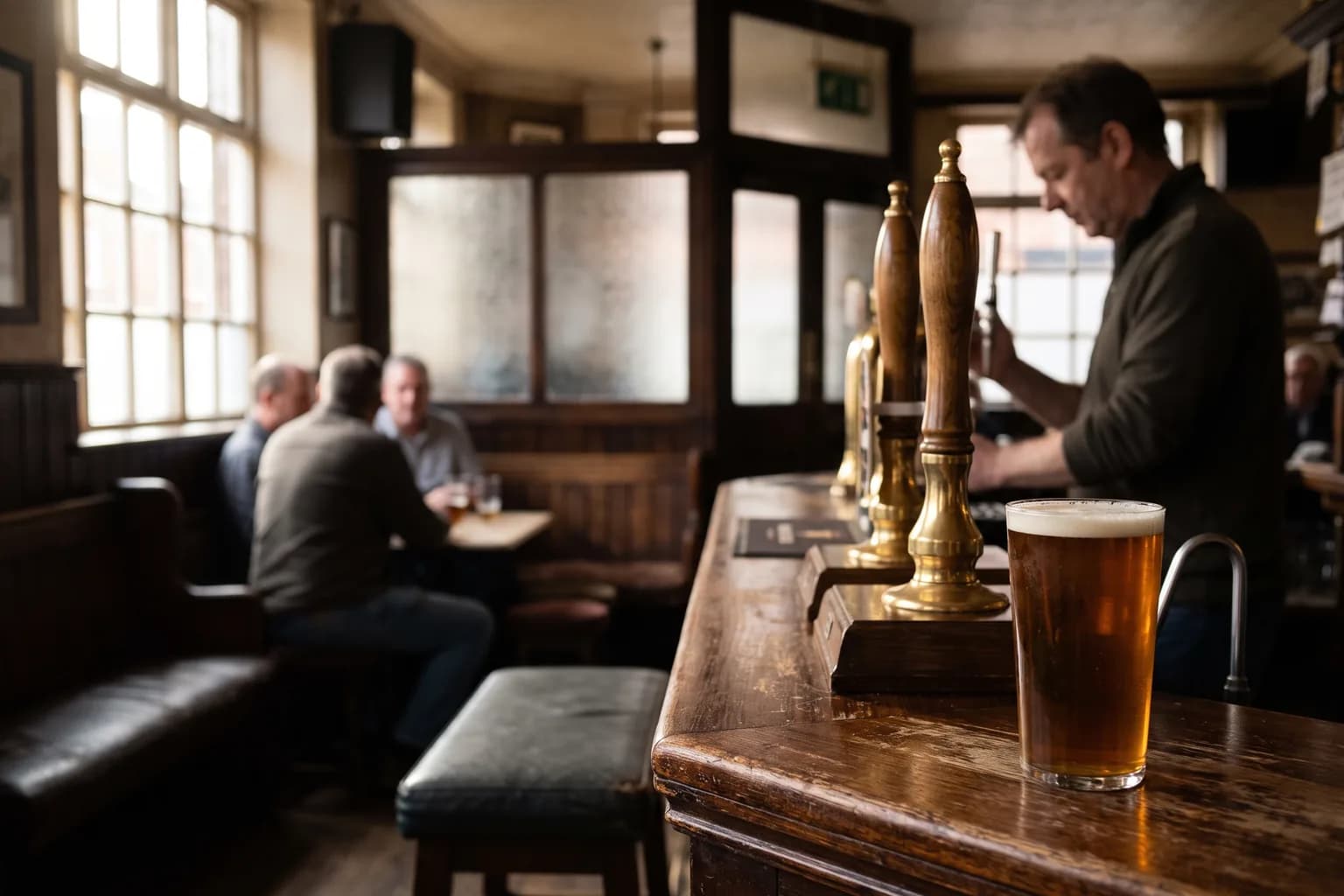
A hand-pulled ale on the bar of an English pub

04

London and the English pub, Britain

Britain offers a different lesson: beer as part of an ordinary place rather than an attraction.

Begin with a cask bitter, then compare it with a modern IPA. Bitter belongs to the older cask tradition; an IPA shows what a brewer can do with hops. London has historic pubs and new breweries close to each other, so the contrast does not require a long journey.

The London Craft Beer Festival brings many producers together each summer. A few carefully chosen pubs make a different kind of trip: less concentrated, and easier to combine with a museum, a walk and dinner.

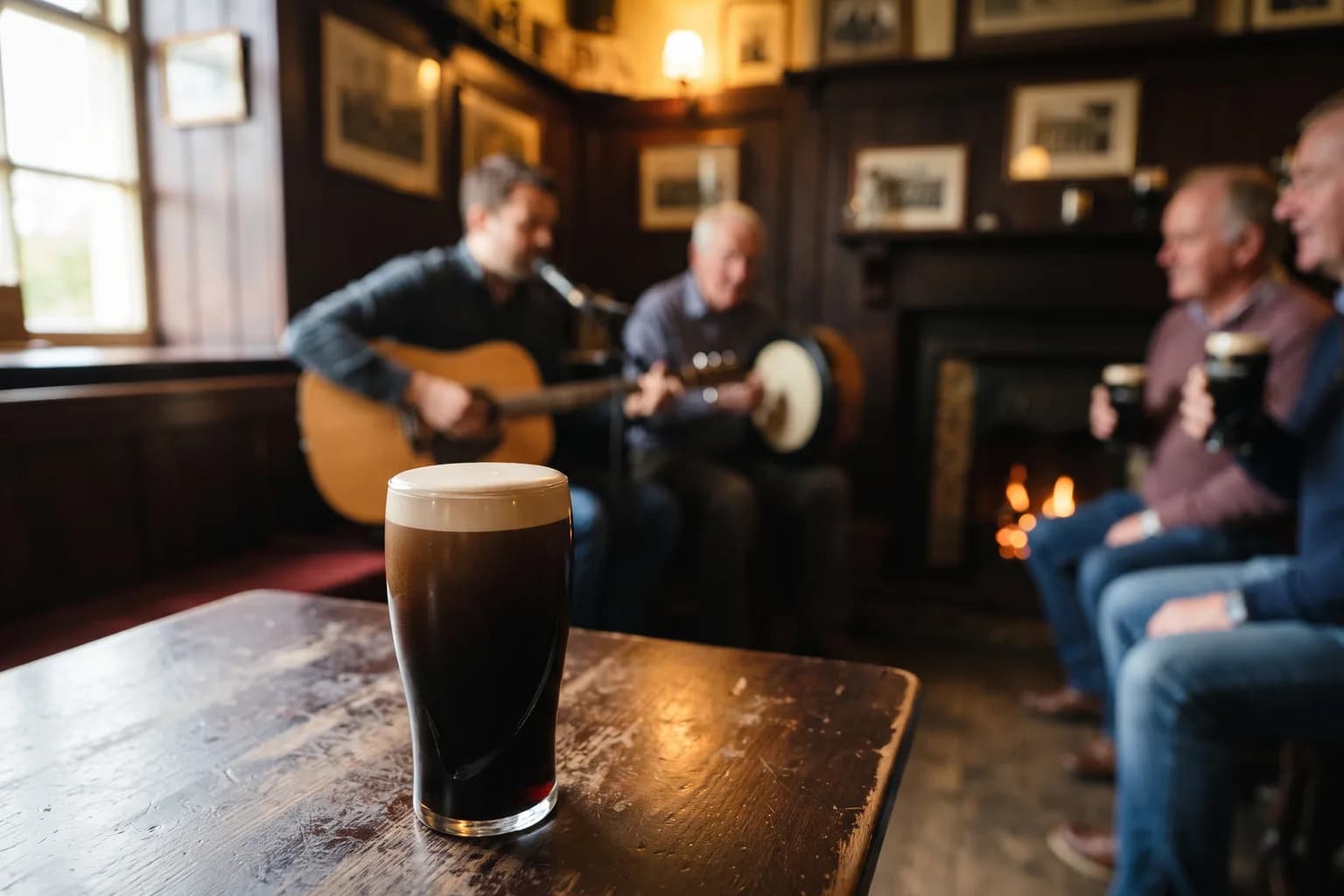
A pint of stout during a music session in a Dublin pub

05

Dublin, Ireland

Dublin is the natural place to make stout the subject rather than an afterthought.

Its dark colour comes from roasted grain, not from a separate kind of fermentation: stout is an ale. Nor is darkness a guide to strength, and a pint of stout is often lighter in alcohol than its colour suggests. It makes a useful contrast with the pale lagers that began this list.

A brewery attraction explains the process. A pub gives the visit its pace. Leave time for both, but do not make every evening a comparison exercise. Sometimes the point is simply to find a comfortable seat and stay for a while.

Two places visited properly are enough for a day.

Some of these trips need only a room in the right part of town. Others need a brewery booking, a train and a driver for the afternoon. Henri Leroux can arrange one part or put the whole journey together. Tell us what you would like to taste, and what you would rather not organise yourself.

Share your plans