

Henri Leroux
Journal

Where to travel in Europe for the food

Five places where the market, the lunch and the evening table can shape the journey.

A practical point of view

A food trip is easy to overbook. Breakfast becomes an appointment, lunch follows a tasting, and dinner arrives before anyone is hungry. The restaurants may all be good, and the journey can still feel strangely like work.

A better beginning is one meal you particularly want, a place to stay within reach of it, and enough unplanned time to discover what you would order again.

These five destinations offer different ways to do that. They are alternatives, not a route to complete, and one base at a time is usually enough.
Before you book

The meal is only part of the arrangement

Where you sleep

A food journey changes when you can walk home after dinner. Choose the neighbourhood around the meals you care about, not the other way round.

How you get there

A producer visit or a lunch in the countryside is easier when nobody in the party needs to drive. Arrange the car together with the appointment, not afterwards.

When it is open

Check restaurant closing days, market hours and dietary requirements before you confirm. A famous address is not much use on the wrong afternoon.

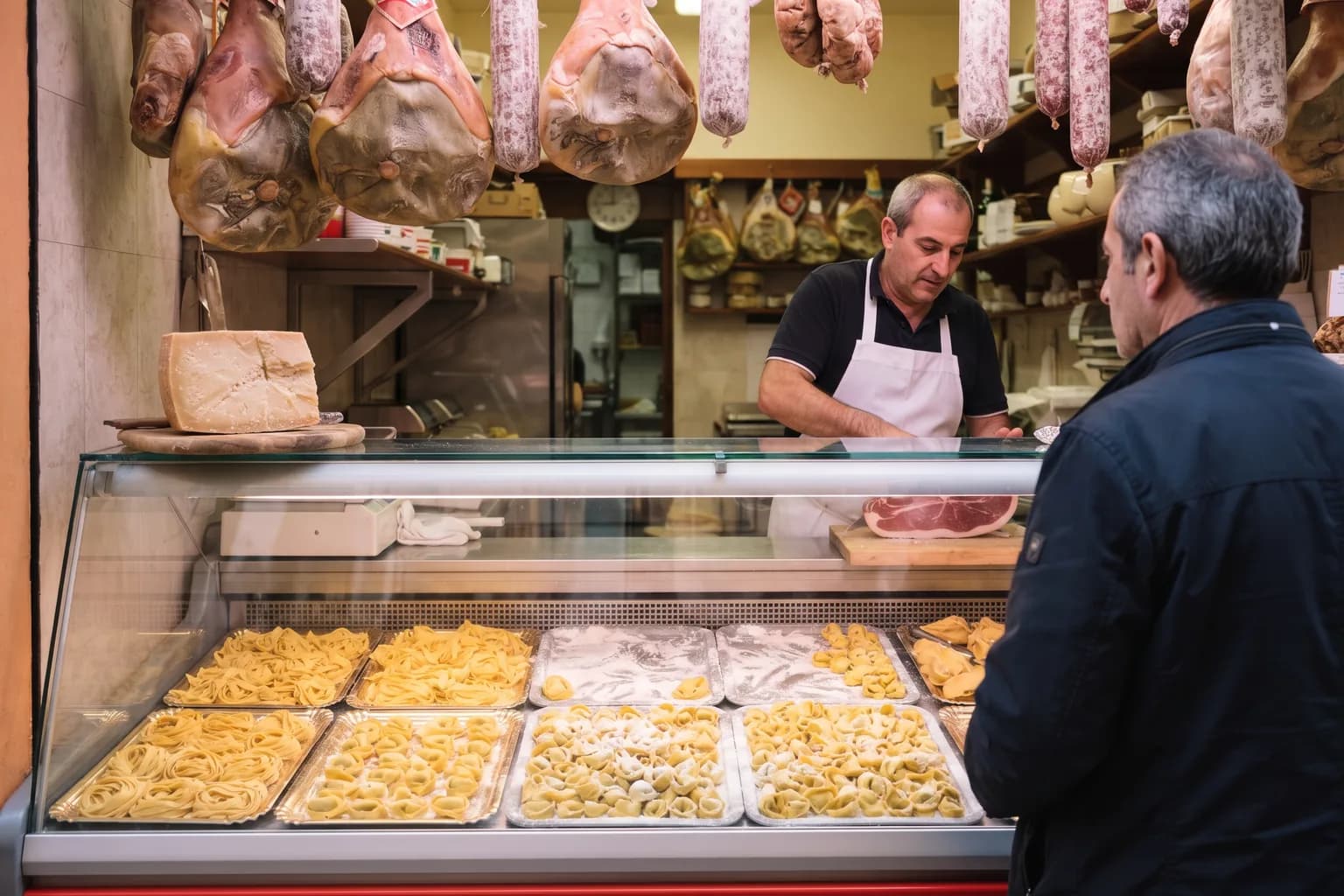
Fresh pasta and cured meats at a food shop counter in Bologna

01

Bologna and Emilia-Romagna, Italy

Bologna is a good place to begin with something familiar and discover that you have not quite been eating the same thing.

Order tagliatelle al ragù, try tortellini or another filled pasta, and spend part of the morning among the food shops of the Quadrilatero. Fresh pasta, cured meats and local cheese give the city a clear culinary identity without a formal tasting menu.

Then decide whether to stay with the city or follow the ingredients out into Emilia-Romagna. Modena, a short train ride away, adds a covered market and the region’s tradition of protected local produce, from Parmigiano Reggiano to traditional balsamic vinegar.

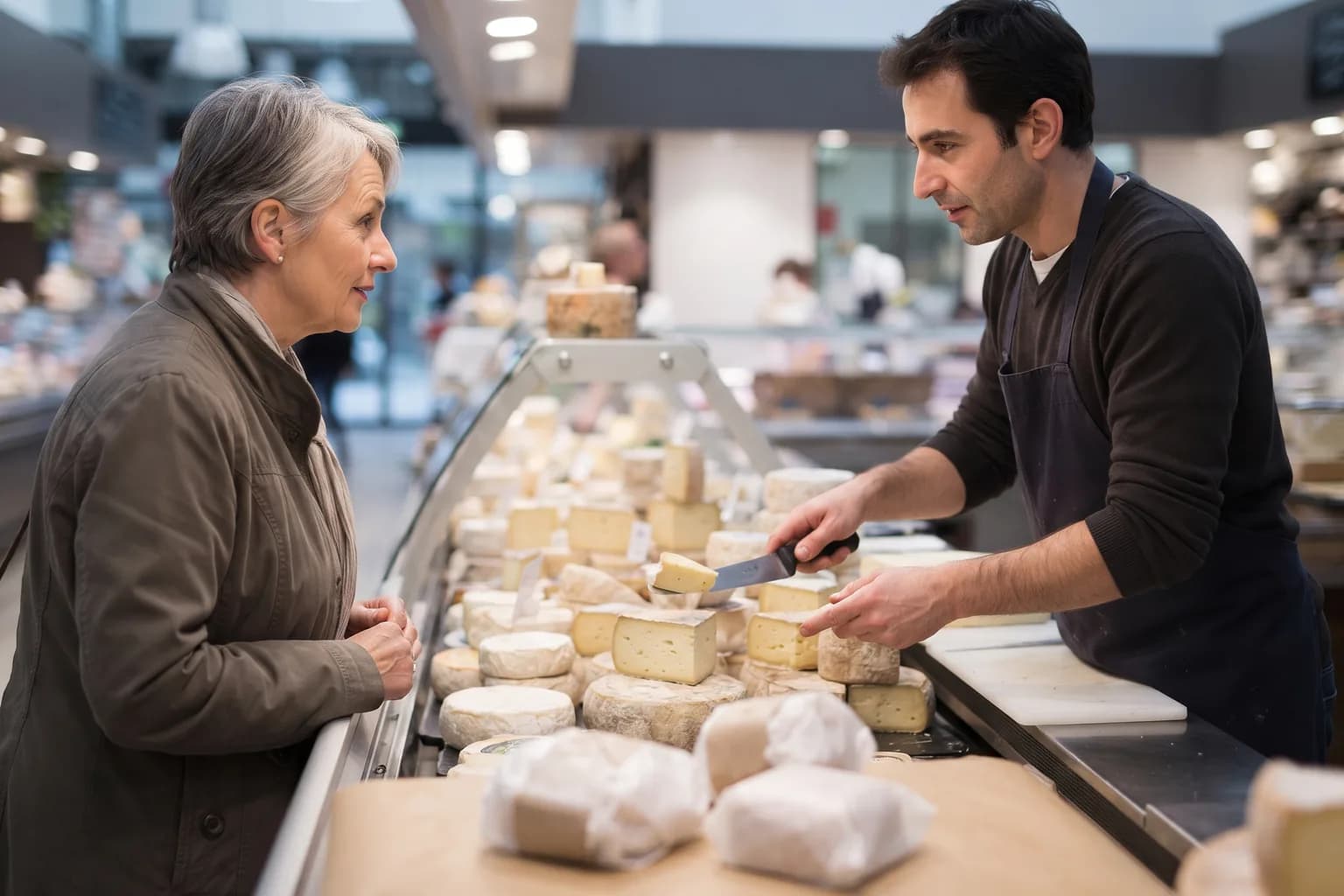
Choosing cheese at a market counter in Lyon

02

Lyon, France

Lyon is a good choice when regional cooking is the reason for the journey rather than a diversion from somewhere else.

Start with a bouchon, the traditional Lyon restaurant associated with the city’s hearty local food. Quenelles, charcuterie and local cheese are a more useful introduction than a list of fashionable addresses. Les Halles de Lyon Paul Bocuse offers a different view: counters, producers and ingredients rather than a single restaurant’s menu.

Leave room for both. A market morning and a long lunch are not competing versions of the city.

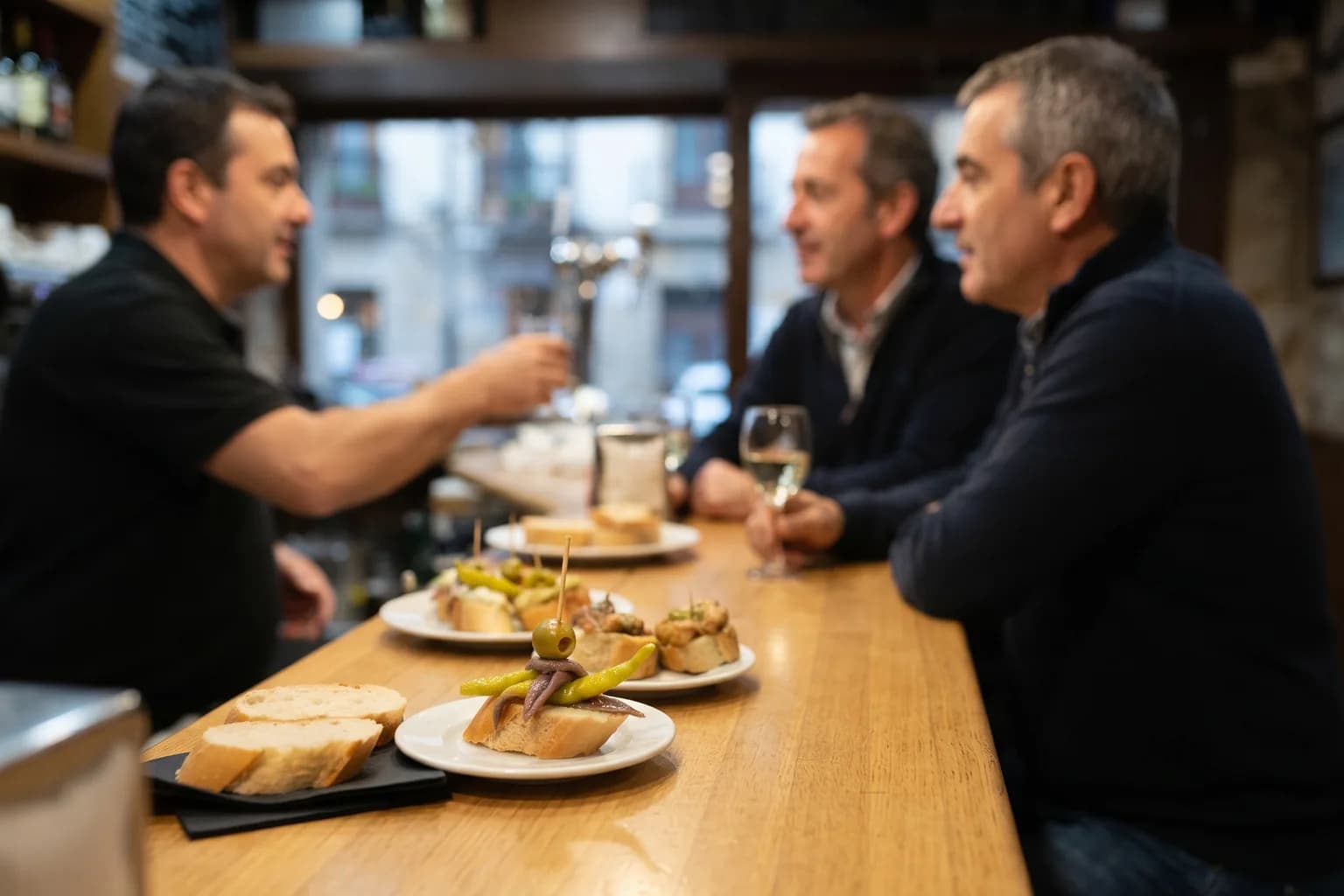
Pintxos on a bar counter in San Sebastián’s old town

03

San Sebastián, Spain

San Sebastián rewards a different rhythm.

Begin with pintxos in the old town: a small dish, a short stop, then perhaps another address. The pleasure is in the changing counter and the chance to follow an appetite rather than a fixed menu. The city also has an ambitious restaurant scene, so an informal evening and a carefully booked meal can belong to the same stay.

They do not need to belong to the same night. A few bars chosen for what they cook are enough. Leave time to walk, to return somewhere you liked, or to decide that the next dish can wait until tomorrow.

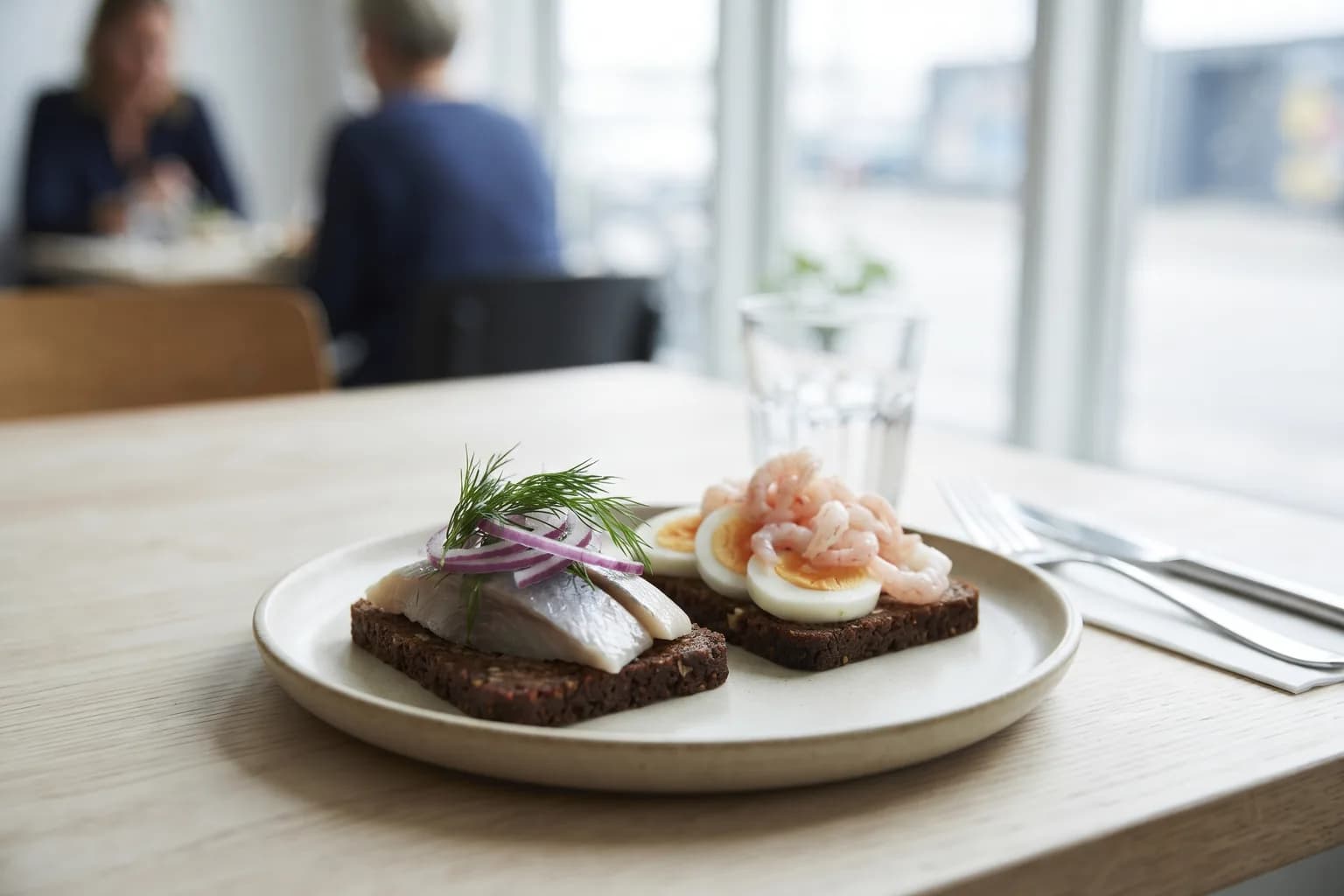
Open sandwiches on rye bread at a Copenhagen café

04

Copenhagen, Denmark

Copenhagen is not only a journey for a celebrated tasting menu.

The interest also lies in bakeries, seafood, seasonal cooking and smørrebrød, the open sandwiches built on dark rye bread. Pickling, smoking and fermenting belong to everyday Danish food, not only to formal restaurants. Torvehallerne, the covered market by Nørreport, is an easy introduction to several of these tastes.

A bakery breakfast, a proper lunch and one considered dinner can tell you more than a succession of elaborate menus.

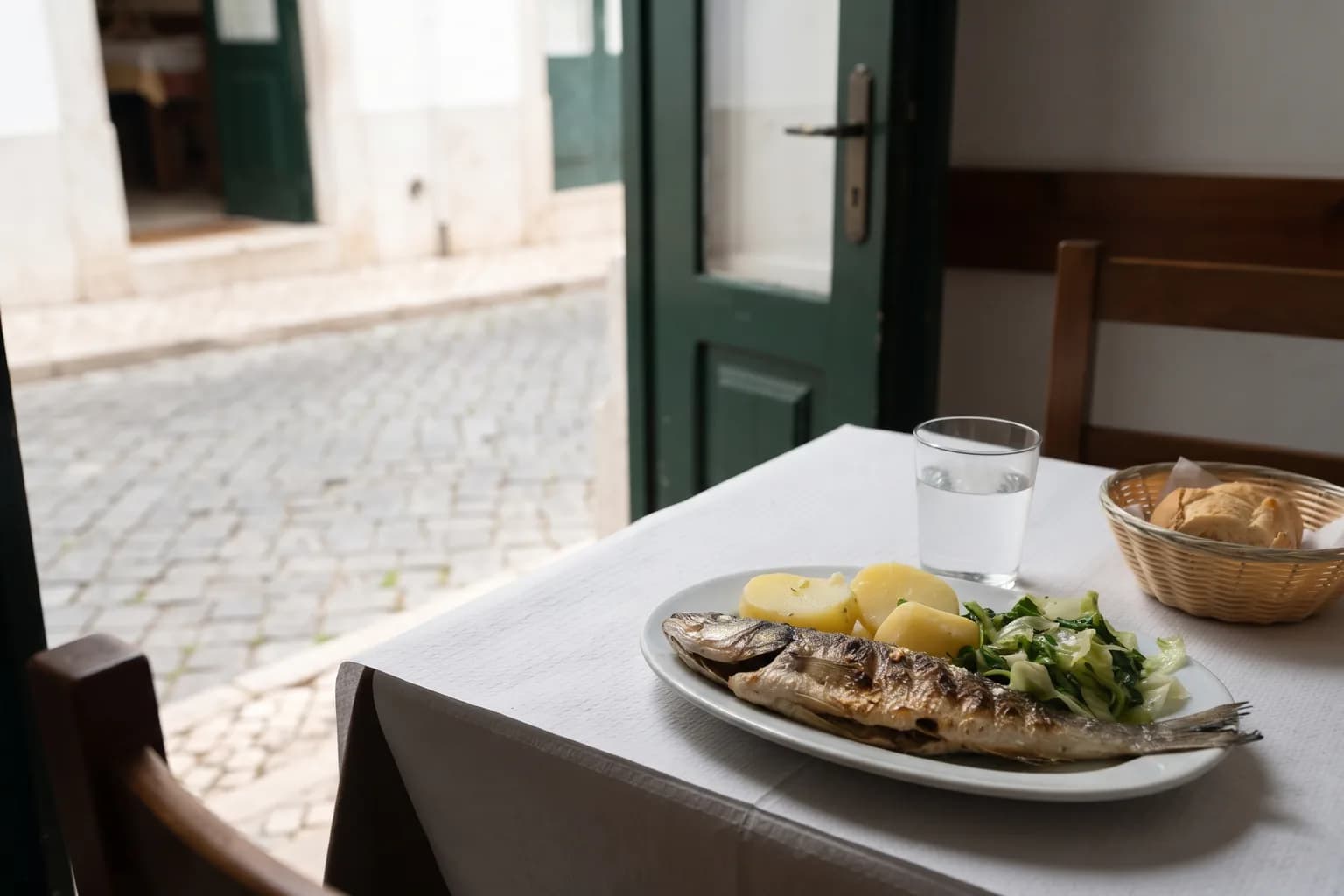
Grilled fish with potatoes at a neighbourhood restaurant in Portugal

05

Lisbon and Porto, Portugal

Portugal makes sense when the food is meant to remain part of an ordinary day.

Grilled fish, pastries and neighbourhood restaurants can give the day its structure without turning every meal into an event. Lisbon and Porto both suit this: choose a base, walk, stop for something small, and keep one table in mind for the evening.

On a short break, choose one city. Combining both is worthwhile only if you also want the journey between them, not because two names make the itinerary feel more complete.

Leave room between the reservations.

Two or three nights in one place can be a complete food trip. Henri Leroux can arrange the hotel, a local experience or the road between them, and if you would rather hand over the whole journey, we can put the parts together.

Share your plans